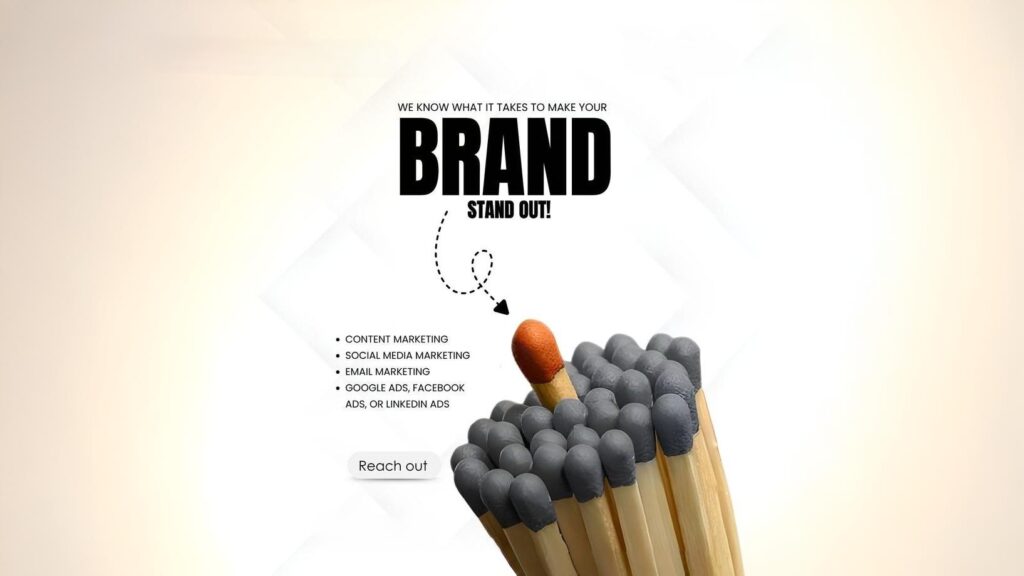
Graphic design is not just about making things look good—it directly affects how people interact with your brand online. When design and SEO work together, your digital marketing becomes more powerful, bringing in traffic, engagement, and conversions. Here are practical ways graphic design can support your SEO goals.
1. Optimize Images for Search
Large, uncompressed images slow down your website, and slow websites rank lower on search engines. Always compress images, use modern formats like WebP when possible, and add descriptive alt text with relevant keywords. Alt text helps search engines understand your visuals and improves accessibility.
2. Design for Mobile First
Most users browse on mobile devices. A responsive design that adapts to different screen sizes improves user experience and reduces bounce rate, which is a positive SEO signal.
3. Improve Readability with Layout
Clean layouts, proper spacing, and visual hierarchy keep visitors on your page longer. Use headings, subheadings, and short paragraphs. The easier your content is to scan, the better your engagement metrics.
4. Use Branded Visuals Consistently
Consistent colors, fonts, and styles build brand recognition. When users remember your brand, they are more likely to search for it directly—branded searches are strong SEO signals.
5. Create Shareable Visual Content
Infographics, carousels, and social media creatives encourage shares and backlinks. High-quality visuals increase the chance that other websites will link to your content, improving domain authority.
6. Optimize UI/UX Design
Good user experience reduces bounce rate and increases time on site. Clear navigation, visible buttons, and simple menus help users find what they need quickly.
7. Add Text to Visual Content Strategically
Posters, banners, and featured images should include relevant keywords in a natural way. While search engines cannot fully read text inside images, users do—and it influences engagement and shares.
8. Focus on Page Speed
Design elements like heavy animations or oversized graphics can slow your site. Balance creativity with performance to keep loading times low.
9. Use SEO-Friendly Fonts and Colors
Readable fonts and proper color contrast improve accessibility and usability. Better usability leads to better user signals for SEO.
10. Align Design with Content Strategy
Every design should support a marketing goal—lead generation, sales, or awareness. When visuals match user intent, conversion rates increase.
Conclusion
Graphic design and SEO are not separate worlds. When combined thoughtfully, they create a strong digital presence that attracts and retains customers. Businesses that invest in both aesthetics and optimization gain a real competitive edge online.